
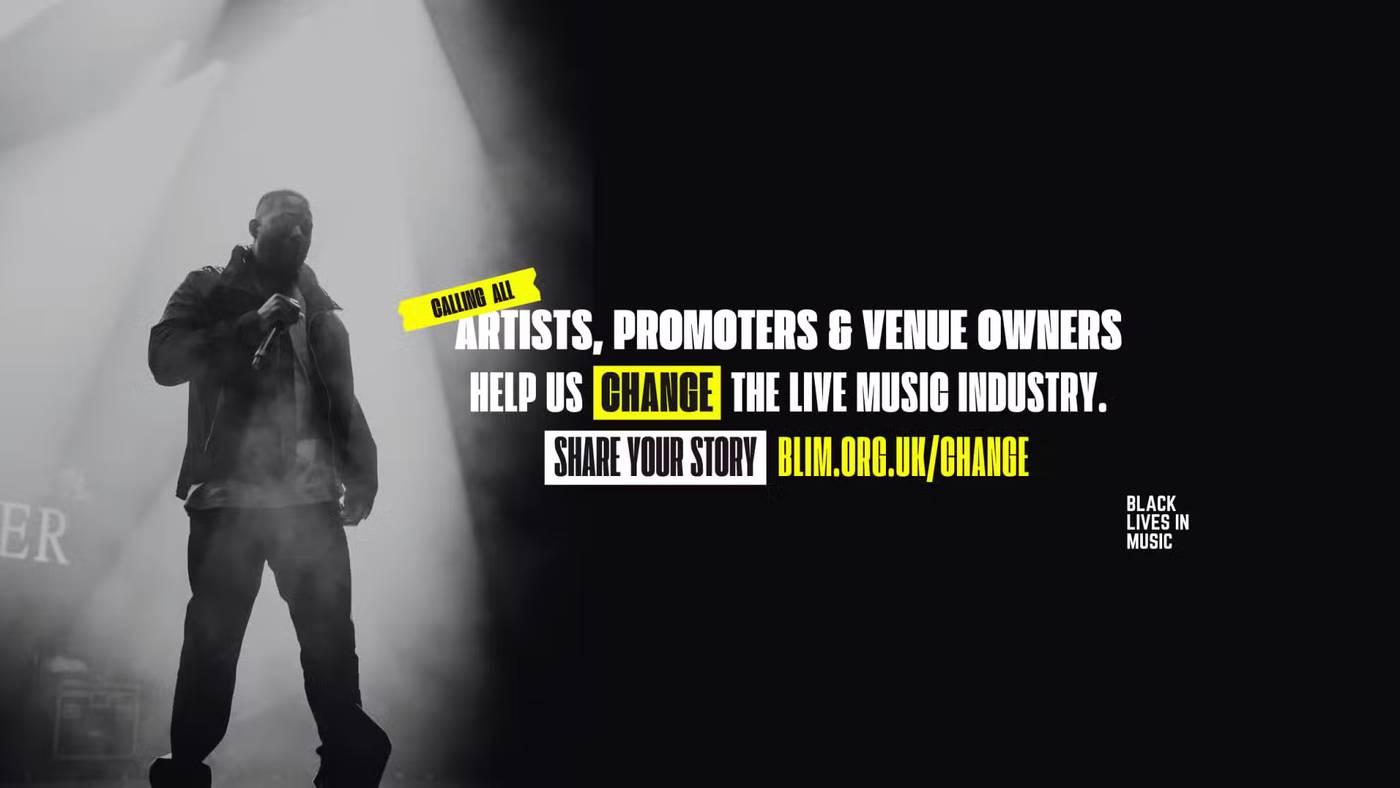
FFWD were approached by Black Lives in Music to support with their submission to the Mayor of London’s investigation into Race Equality in Music Events Licensing (REMEL). As part of this work we calculated the economic impact of specific licensing conditions on Black and Asian music events in London.
The work was a combination of survey research, industry understanding, published music consumption habits, economic evaluation, desk research, census data, and expert interviews to offer a robust estimate of the economic impact on affected communities.
You can read the results of the survey here: https://blim.org.uk/news/new-survey-launched-to-investigate-race-inequality-in-music-licensing/
Charisse Beaumont, CEO, Black Lives in Music, said:
“This survey is a crucial step in driving real change in live music licensing. By gathering real data, we can expose these challenges, highlight best practices, and push for an industry that is fairer, stronger, and more creative. We need venues, artists, promoters, and decision-makers to take part and share their experiences.”
Why This Survey Matters
Despite the abolition of Form 696 in 2017—once used by police to assess live music events based on music genre and audience ethnicity—Black, Asian, and ethnically diverse artists, promoters, and venues continue to face systemic barriers.
Concerns have been raised about decision-making and risk assessment processes by councils, local authorities and venues that disproportionately impact Black and Asian-led events, limiting opportunities for new talent and emerging genres.
In 2023, BLiM and the Musicians’ Union wrote to the Mayor of London about these ongoing barriers. In response, the REMEL project was launched in June 2024, chaired by Justine Simons OBE, Deputy Mayor for Culture and the Creative Industries, to take action.